Social media
Any thoughts? You can join a conversation on Loquat LinkedIn page or Instagram
- All years
- All months
- January
- February
- March
- April
- May
- June
- July
- August
- September
- October
- November
- December
Happy Easter!
Wishing our partners, clients, and colleagues a joyful and peaceful Easter weekend. 🐣🌷
Happy Easter from the Loquat team!
Curious Saturday: A hidden difference in how people think
When asked people to imagine an apple, they see nothing. It’s called aphantasia, and it affects millions who’ve spent their lives thinking everyone else experienced thoughts the same way.
Alex Rosenthal’s TED Talk unpacks this quietly profound reality. No “mind’s eye.” No replaying memories like a film reel. No visualizing a beach to calm down. Yet many lead rich creative lives and excel in abstract thinking — they’ve simply never known any different.
What strikes me most is how long it takes people to realize they’re different. The revelation often comes by accident, in casual conversation.
What’s something you recently discovered that other people experience completely differently than you do?
https://www.ted.com/talks/alex_rosenthal_can_you_picture_things_in_your_mind_i_can_t
Climate risk just became a balance sheet issue
New disclosure requirements are forcing CFOs to quantify what they’ve long avoided: the actual cost of transition risk in their portfolios.
Companies with credible climate strategies now access capital at lower costs, while laggards face growing discounts from institutional investors. Major asset managers are pricing climate risk into valuations, and the gap between prepared and unprepared firms is widening.
The opportunity: firms treating climate disclosure as strategic intelligence are finding operational efficiencies worth millions — identifying stranded assets before write-downs and hedging commodity exposure more effectively.
The transition economy represents $130 trillion in infrastructure investment through 2050. Institutions that can assess climate-adjusted creditworthiness will capture disproportionate market share.
How is your institution translating climate data into actual lending decisions?
Source: https://www.ft.com/content/e8390d64-63d3-4d27-9c73-6a59dda2045b
Change is the baseline condition for business
Teams that adapt faster make better decisions, respond to customers sooner, and stay relevant while others struggle to keep pace. Strength and scale still matter — but agility increasingly matters more.
In today’s environment, the real advantage belongs to those who manage change deliberately and continuously.
How is your team adapting to what comes next? 🚀
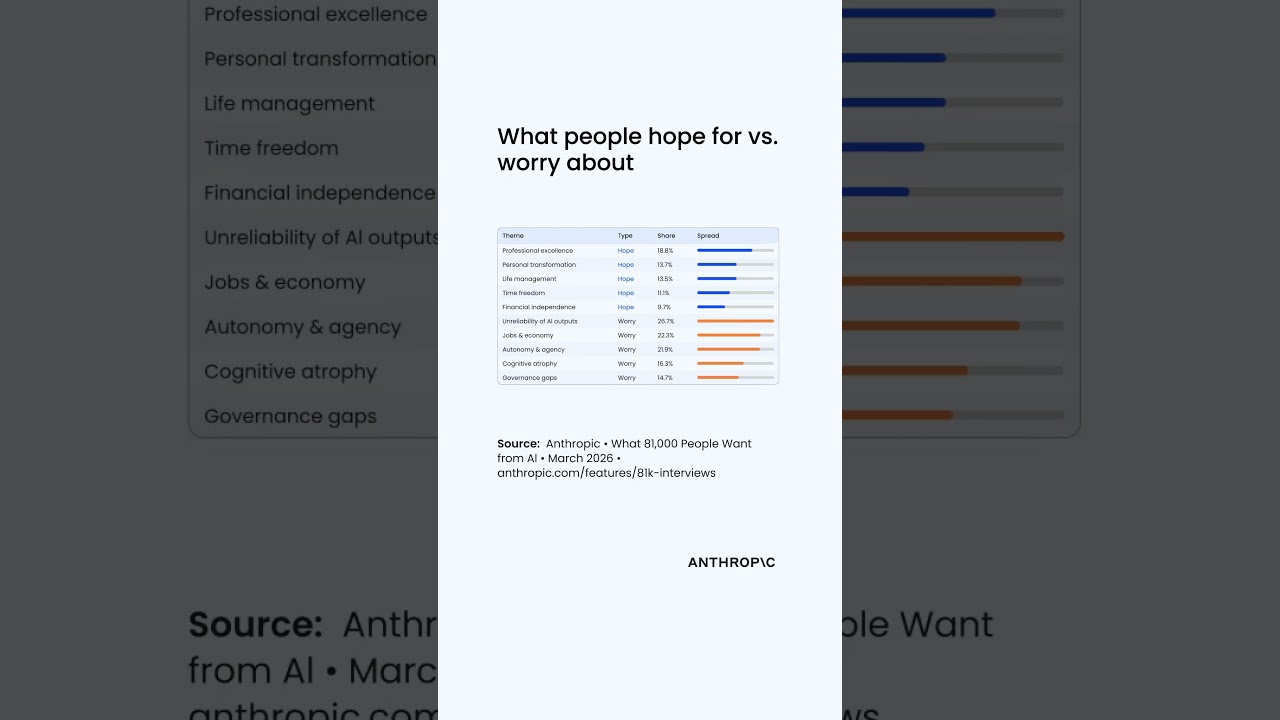
What 80,000 people actually want from AI — and what keeps them up at night
Anthropic just published findings from 80,000+ interviews across 159 countries — and the results are both fascinating and humbling.
What do people actually want from AI?
Not just productivity. Not just speed. They want their lives back.
- A software engineer in Mexico uses AI to leave work on time to pick up his kids.
- A healthcare worker in the US says AI lifted the documentation burden so she has more patience for nurses and families.
- An entrepreneur in Cameroon learned cybersecurity, UX design, marketing, and project management simultaneously — calling AI “an equalizer.”
But the same capabilities driving the biggest benefits also generate the biggest fears. People who value AI for emotional support are 3× more likely to fear becoming dependent on it.
81% of respondents said AI had already taken a meaningful step toward their vision for it.
This is what grounded AI development looks like — not abstract projections, but 80,000 voices telling us what’s working, what’s falling short, and what’s at stake.
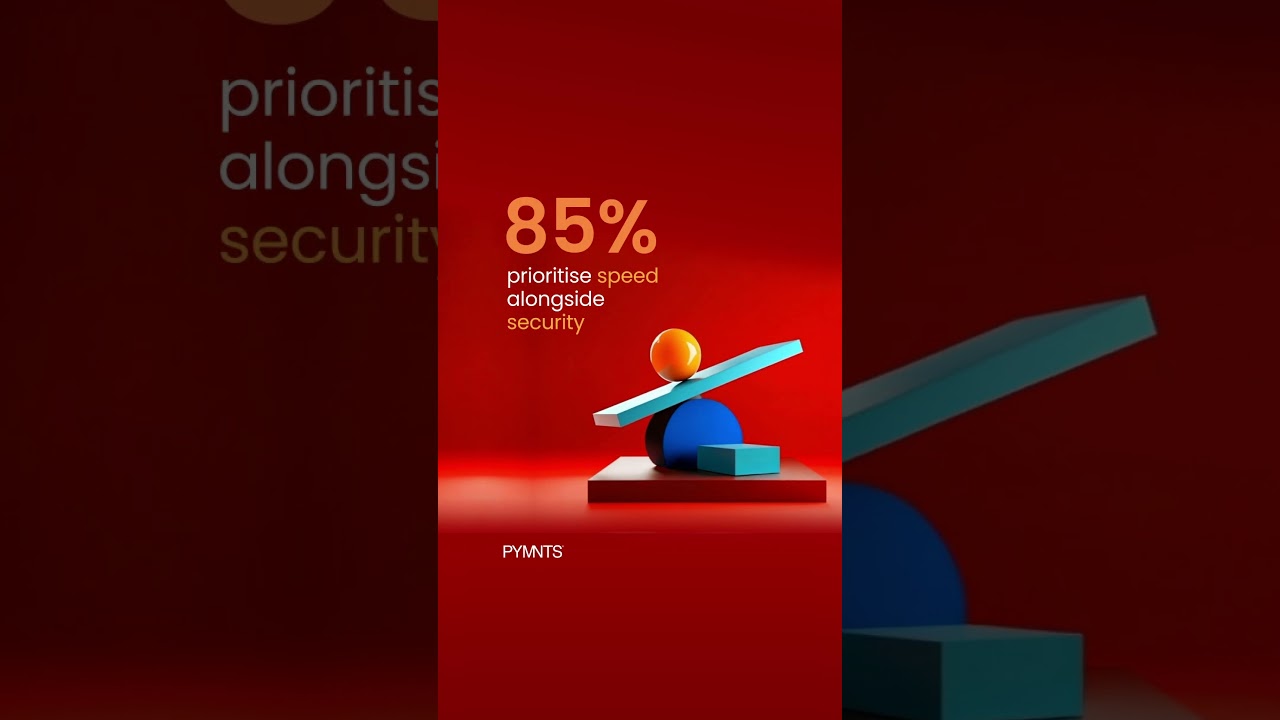
Merchants are abandoning fraud prevention tools that slow down transactions
85% now demand systems that reduce checkout friction, not add to it. Each extra authentication step costs real revenue — this is survival, not preference.
For financial institutions, the stakes are existential: are your fraud protocols pushing merchants toward fintech competitors?
The traditional approach — layering security checks that interrupt payment rails—no longer holds. Modern fraud detection must operate invisibly within core banking systems, using real-time analysis instead of transaction delays.
Institutions winning merchant relationships embed advanced fraud tools directly into payment infrastructure. They treat prevention as operational efficiency, not a barrier.
AI is attracting massive investment — yet its long-term returns remain unclear
Unlike past tech cycles, AI comes with:
- enormous upfront costs
- fast-moving competition
- uncertain profit pools
Markets have seen this before. New technologies create value — but not always for the early winners. For financial institutions, the dilemma is clear: invest early without clear ROI, or risk falling behind.
AI shifting from capability to infrastructure — embedded into onboarding, compliance, and decisioning.
Because value won’t come from AI itself, but from how it’s applied.
Are you building for the AI cycle — or for what comes after it?
📌 Source: The Economist
https://www.economist.com/finance-and-economics/2026/03/12/why-investors-wont-know-what-to-make-of-ai-for-a-while
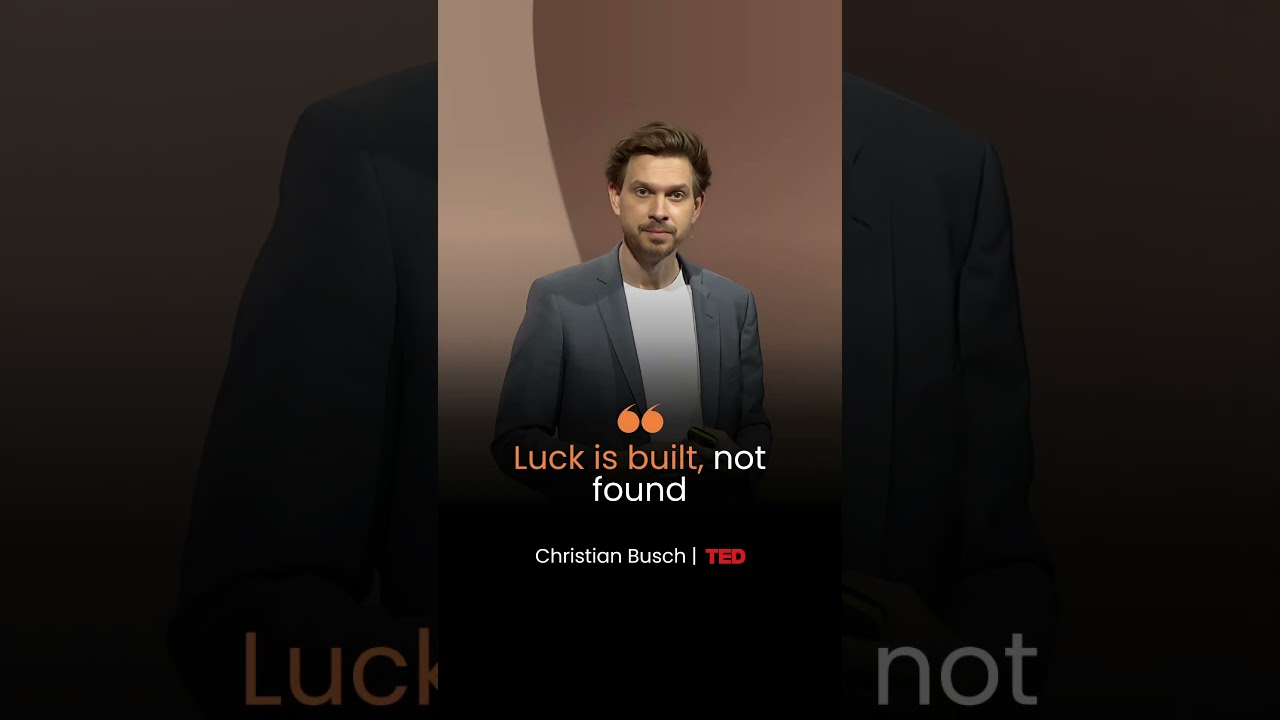
Feel good Sunday: Is luck really random — or can you create it?
In this TED Talk, Christian Busch challenges the idea that luck just happens. His view: luck is a skill. What he calls “smart luck” — the ability to notice the unexpected, connect the dots, and act on it. Because opportunities are everywhere. Most of us just don’t see them — or don’t act on them.
In business, this matters even more. In a world focused on planning and optimization, the real edge often comes from how well you navigate the unexpected.
Because sometimes, luck is simply attention + action.
A good reminder for the end of the week.
Worth 10 minutes 👇
https://www.ted.com/talks/christian_busch_is_luck_random_or_can_you_cultivate_it
Do you think luck is random — or something you can build?
Curious Saturday: We optimize for performance — but rarely for connection
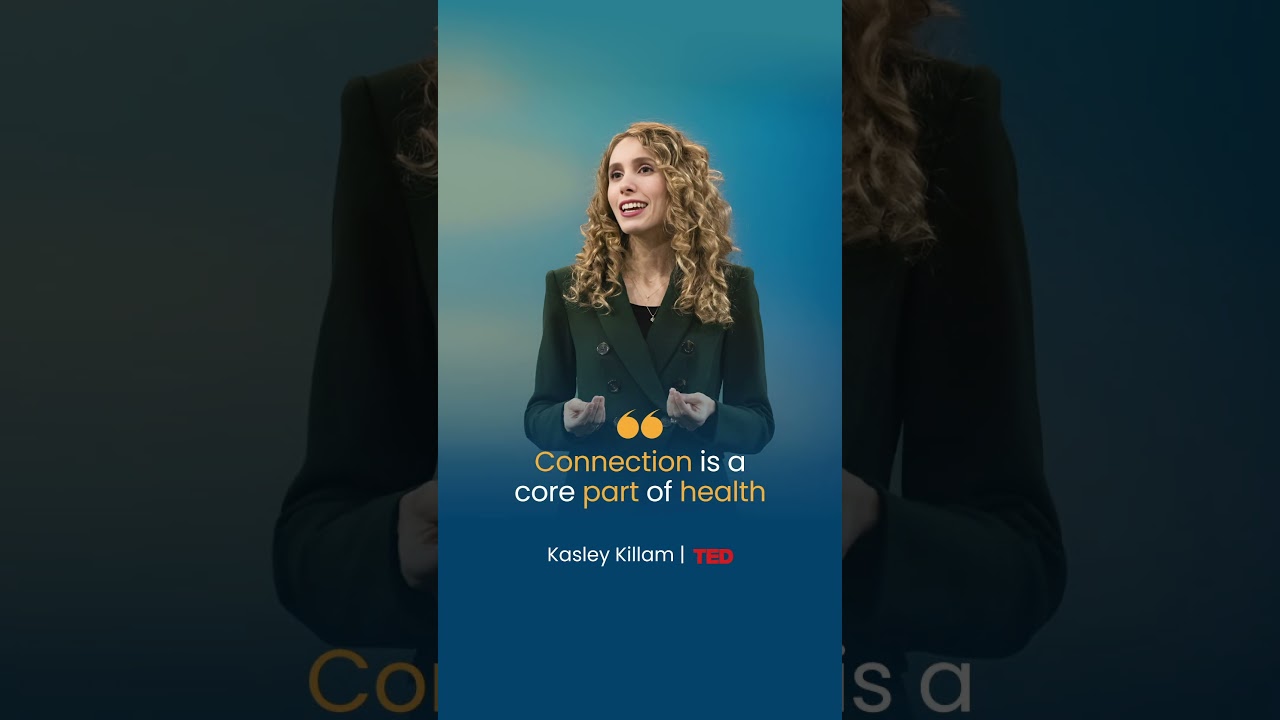
In this TED Talk, Kasley Killam highlights a simple idea: health isn’t just physical or mental — it’s social.
And it matters more than we think. The quality of our relationships impacts how we handle stress, how we feel — and even how long we live.
In a hyper-connected world, real connection is still scarce.
A good reminder for the end of the week: relationships aren’t automatic — they’re built.
Worth 10 minutes 👇
https://www.ted.com/talks/kasley_killam_why_social_health_is_key_to_happiness_and_longevity
What’s one small way you invest in your relationships today?
March heat records just fell across the West
Phoenix hit 95°F before spring started. If you’re seeing this as just weather, you’re missing the financial signal.
Climate risk is now a valuation driver. Insurance carriers are exiting high-heat regions. Phoenix and Inland Empire commercial real estate is repricing as cooling costs spike. Utilities face $100B+ in grid hardening costs flowing to ratepayers and shareholders.
The investable opportunity: the gap between exposed and resilient assets is widening. Northern metros with robust infrastructure are capturing capital inflows. Clean energy and cooling tech providers are scaling into real demand.
The winners will treat climate as risk management, not ESG theater.
What climate shifts are showing up in your deal terms?
🔗 Source: https://www.washingtonpost.com/weather/2026/03/18/record-heat-wave-west-california-arizona/
Expanding omnichannel banking to 6,000+ financial institutions
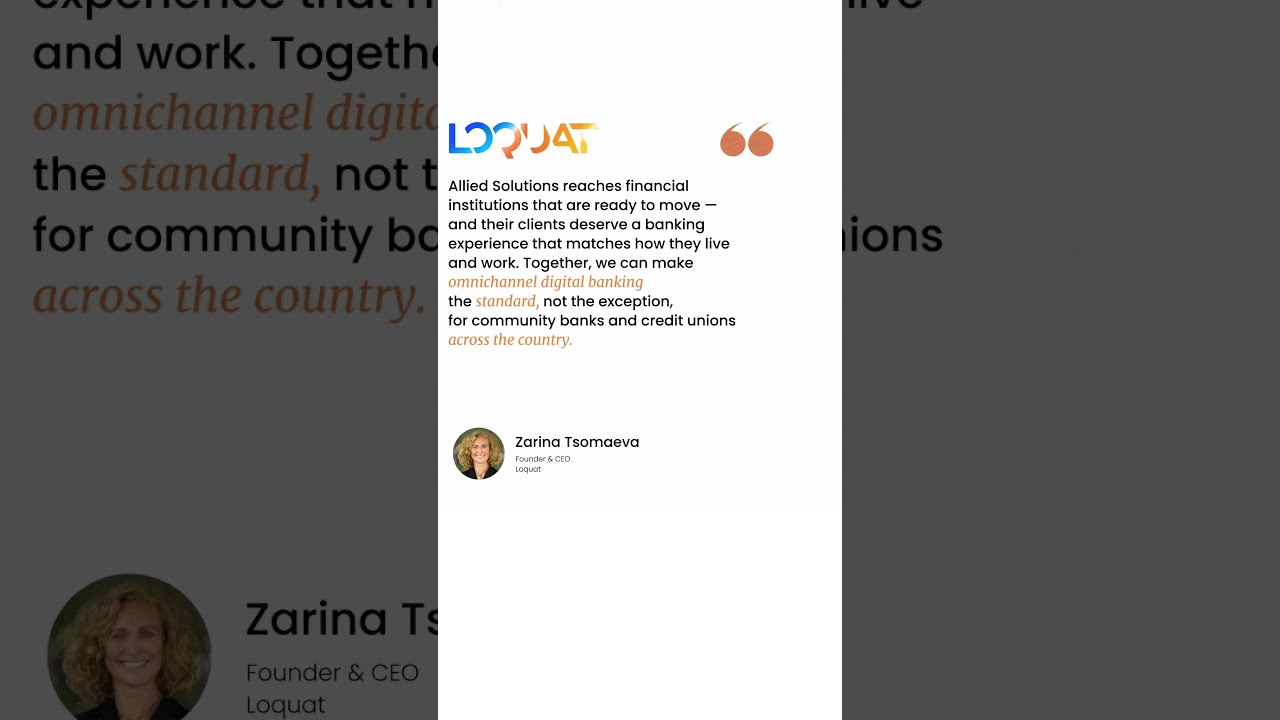
Loquat has partnered with Allied Solutions to bring omnichannel digital onboarding and lending to a network of more than 6,000 banks and credit unions nationwide.
Together, we’re enabling financial institutions to offer consumer and business account opening, streamlined digital lending, virtual card issuance, and AI-driven insights — fully digital or branch-assisted.
For community banks and credit unions, the goal is no longer transformation for its own sake, but modernization without losing the personal touch.
With Allied Solutions, we’re helping make omnichannel banking the standard — not the exception.
Read the full press-release on our website https://loquatinc.io/news/loquat-inc-and-allied-solutions-partner-to-deliver-omnichannel-digital-onboarding-and-lending-to-banks-and-credit-unions-nationwide/
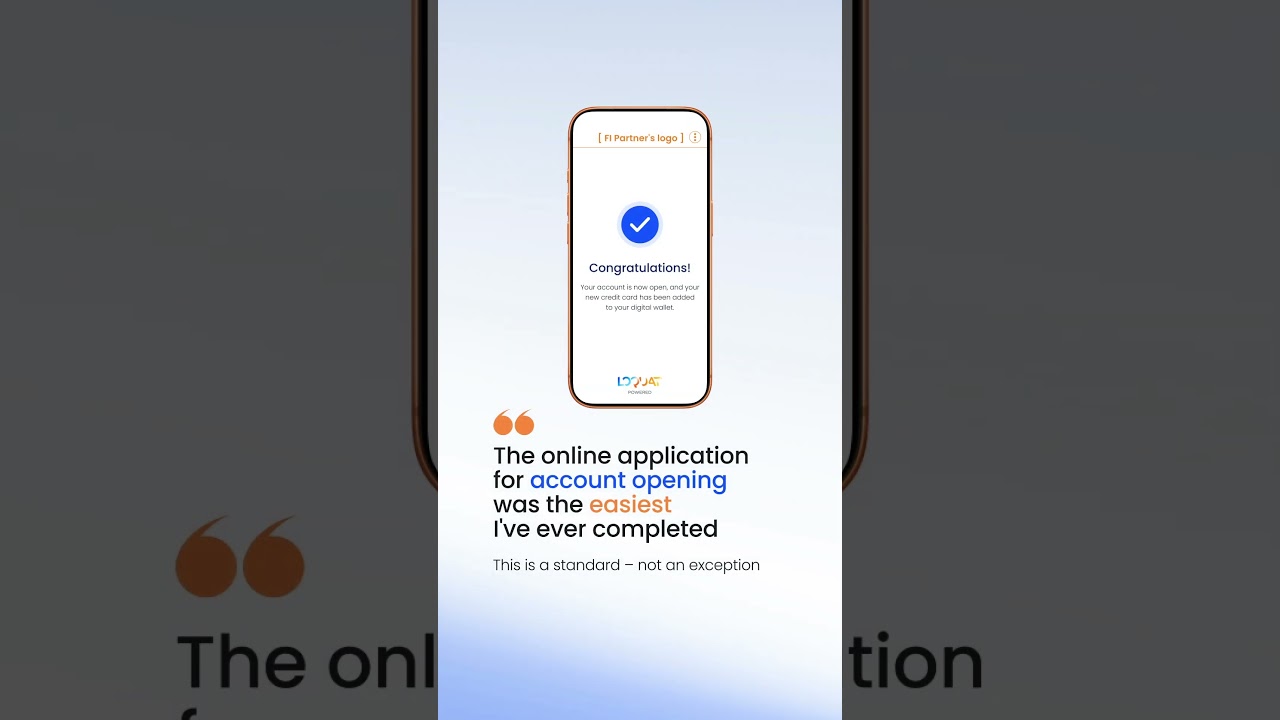
“The online application for account opening was the easiest I’ve ever completed.”
That is a real Loquat user. And that is exactly what account opening should feel like — for consumers and business clients alike.
Loquat gives banks and credit unions a single digital platform to onboard both. Instant KYC, KYB, and AML checks. Omni-channel. Under ten minutes.
The first experience a customer has with your institution sets the tone for everything that follows. Make it count.
What does your current onboarding experience feel like to a first-time applicant?
Let’s talk!
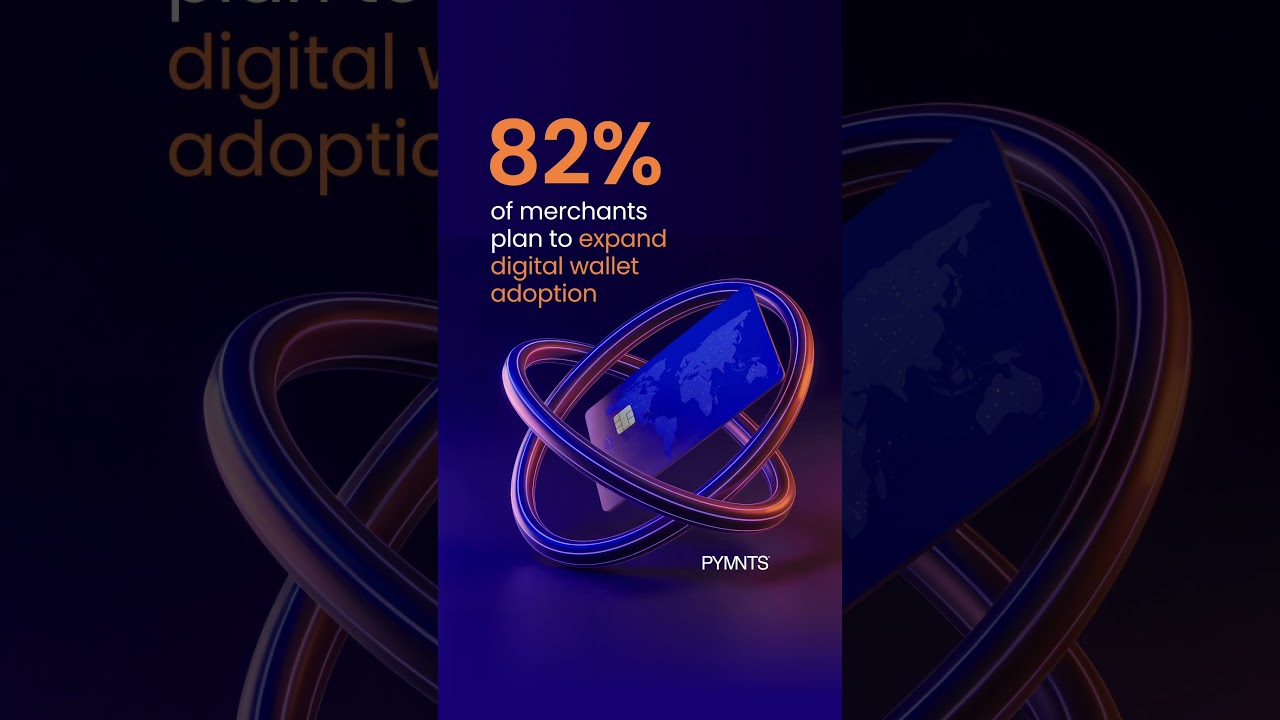
Digital wallets are becoming the default
PYMNTS report shows that 82% of merchants plan to expand digital wallet adoption. What started as convenience is now becoming core payments infrastructure.
Payments are moving closer to the customer experience layer — where onboarding, identity, and transactions converge.
For financial institutions, this changes the question: Is a wallet just a payment method — or the primary interface for customer interaction?
The value is not in processing payments — but in owning the experience around them.
📌 Source: PYMNTS
https://www.pymnts.com/digital-payments/2026/82percent-merchants-plan-to-expand-digital-wallet-adoption
AI is no longer just a technology race – it’s a capital war
A recent Economist article shows how competition between leading AI players is intensifying — not only in models, but in funding, scale, and strategy.
At the frontier, one thing is clear: scale wins.
AI is becoming:
- infrastructure, not just innovation
- capital-intensive, not just software
- strategic, not experimental
For financial institutions, the takeaway isn’t who wins — but what the race creates. The real edge will come from how well AI is embedded into core workflows — onboarding, compliance, decisioning.
Because the biggest prize is not AI itself. It’s the systems built around it.
📌 Source: The Economist
https://www.economist.com/business/2026/03/12/altman-amodei-and-musk-fight-dirty-for-the-biggest-prize-in-business